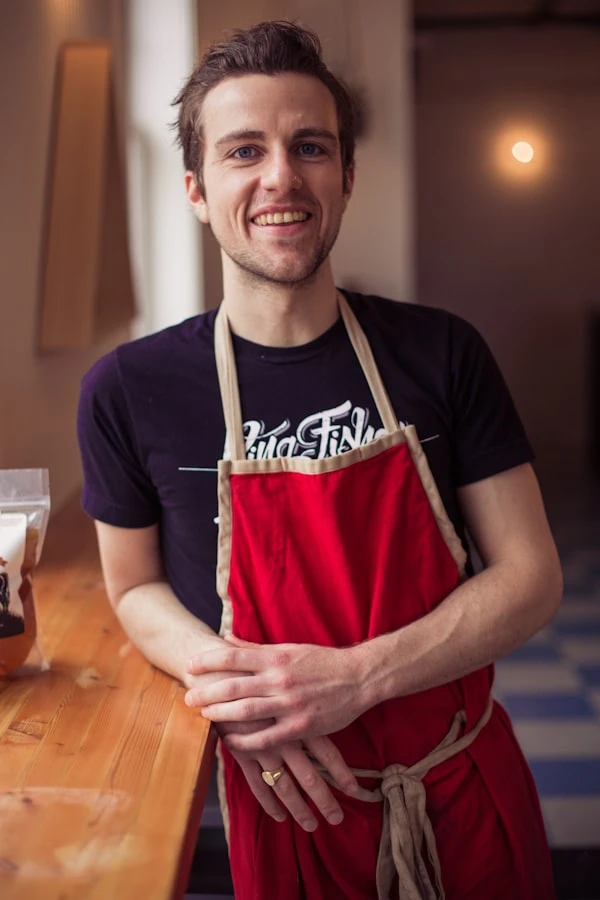
Head Chef & Co-Founder
Kavinda Rathnayake
Trained at the Culinary Institute of Sri Lanka, staged in Copenhagen and Kyoto, returned home to build something rooted. Kavinda designed every recipe in partnership with the farmers who supply them.
We are not just a restaurant. We are an argument that food should mean something.
The Garden Table opened in 2019, not because Colombo needed another restaurant, but because we believed the restaurants already here had forgotten something. Or perhaps never learned it.
The food system in Sri Lanka — like food systems everywhere — had drifted toward convenience, toward consistency, toward the cold logic of cost-per-plate. Produce was arriving from cold storage. Fish was coming from distant trawlers. Rice was imported despite being grown better, fifty kilometres away, by farmers who couldn't sell it at a fair price.
We saw this and found it unacceptable. Not in a righteous way — in a deeply practical, culinary way. Food that travels too far tastes like the journey. It arrives depleted, its cellular memory of soil and sunlight and careful hands already fading. The best cook in the world cannot rescue an ingredient that was tired before it arrived.
So we built our supply chain first, our kitchen second, and our dining room last. We spent six months before opening visiting farms, meeting families, understanding what was grown where and when and how. We made agreements that were unusual at the time: we would pay fair prices without negotiation. We would commit to purchasing in advance. We would promote our farmers by name and face, turning them into protagonists of every dish.
In return, we asked for one thing: honesty. Tell us what you're growing. Tell us when it's at its peak. Tell us what you won't grow because it would hurt your land. And we will adjust our menu to the truth of what you have, not the fantasy of what we wish you had.
We are proud members of the Slow Food movement. But we want to be clear about what that means to us — not slow as in slow service, not slow as in precious or pretentious. Slow as in deliberate. Slow as in the patient composting of kitchen scraps back into the farms that feed us. Slow as in the 24-hour soaking of our lentils, the low-and-slow braise that turns a humble pulse into something extraordinary.
Slow food is not expensive food. It is honest food. It costs more than fast food because honesty costs more than deception. It tastes better because flavour takes time. It is better for the land because care takes patience.
We serve it to you at prices that are fair to the farmers who grew it, fair to the cooks who prepared it, and fair to you as a guest who chose to come here and be part of this chain.
"The soil is our pantry. The season is our menu. The farmer is our collaborator."
Trained at the Culinary Institute of Sri Lanka, staged in Copenhagen and Kyoto, returned home to build something rooted. Kavinda designed every recipe in partnership with the farmers who supply them.
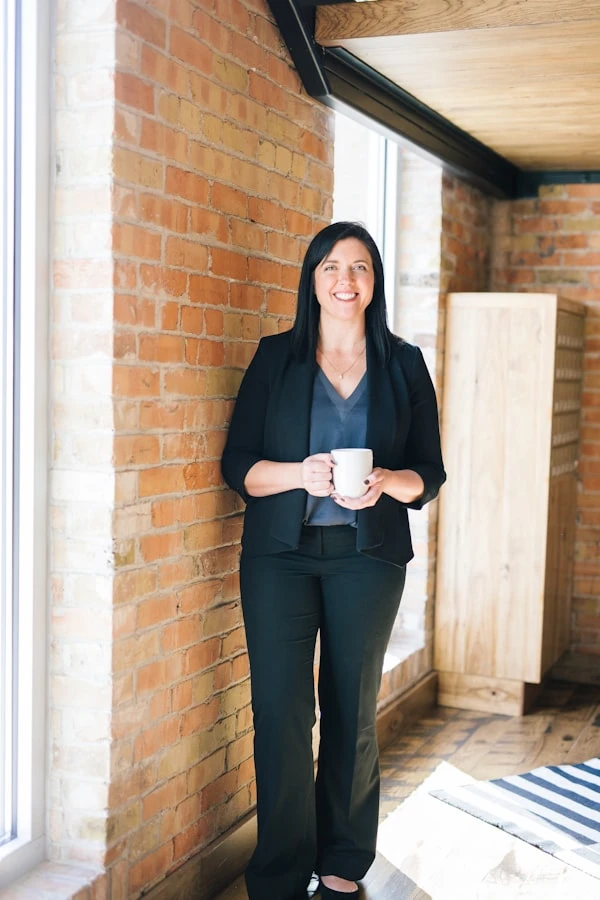
Nadia runs the front-of-house and manages all farm sourcing relationships. She holds an MSc in Sustainable Food Systems and speaks fluent Sinhala, Tamil, and English with our farmer network.

Roshan grew up in a family of home cooks in Kandy and has been developing traditional Sri Lankan fermentation and preservation techniques that now underpin much of our pantry.
Six months of farm research. Kavinda and Nadia visit 34 farms. Sign agreements with 12. The kitchen design is revised four times to accommodate whole-animal and root-to-tip cooking.
The Garden Table opens on Garden Lane, Colombo 05. First week: fully booked. First menu: seven dishes, all from four farms. The kalu dhal is on from day one.
During the pandemic, we pivot to a weekly farm box delivery — 2,400 boxes delivered over 8 months, connecting Colombo families directly with our farm network. Every farmer survives the year.
Named Best Sustainable Restaurant by the Sri Lanka Hospitality Awards. Private dining room opens. Farm partnerships expand to 18. We begin our annual Harvest Dinner series.
Awarded a Green Kitchen certification. Our zero-waste programme diverts 98% of kitchen waste back to farm composting. Chaminda's heirloom tomatoes recognised by Slow Food International as a Presidium crop.
"The most honest restaurant in South Asia. This is what food-system change looks like from the inside."
"A masterclass in seasonal cooking. The kalu dhal alone would justify the journey to Colombo."
"Best Sustainable Restaurant, Sri Lanka. Setting the standard for how the region should eat."
Every reservation supports 18 farming families. Every dish is a vote for how food should be grown and cooked.